Manchu Ethnic Group
Introduction
The Manchu ethnic group, also known as the Man ethnic group, is one of China's officially recognized ethnic groups. Historically, the Manchus were a dominant group in China, known for establishing the Qing Dynasty (1644-1911), which was the last imperial dynasty in Chinese history. Originating from the northeastern region of China, the Man people have a rich cultural and historical legacy that continues to influence Chinese society.
History
The history of the Man ethnic group is deeply intertwined with the history of China. The Man people are known for their establishment of the Qing Dynasty in 1644, which succeeded the Ming Dynasty (1368-1644) and ruled China until the early 20th century. The Manchu rulers adopted many aspects of Han Chinese culture while also promoting their own customs and traditions, creating a unique blend of cultural influences that characterized the period.
Language and Writing
Dialects
The Manchu language, part of the Tungusic language family, is traditionally spoken by the Man people. Over time, the use of the Manchu language has diminished, with the majority of the Manchus now primarily speaking Mandarin. However, the language still holds cultural significance, and there are efforts to preserve and revitalize it.
Writing System
The Manchu writing system is an important aspect of the ethnic group's cultural identity. It is written from to to bottom, left to right. The script was derived from the Mongolian script and was adapted to suit the Manchu phonetic system. It was used for official documents and communication within the Qing empire. Although the usage of the script has declined, it remains a symbol of Manchu heritage.
Culture
Traditional Clothing
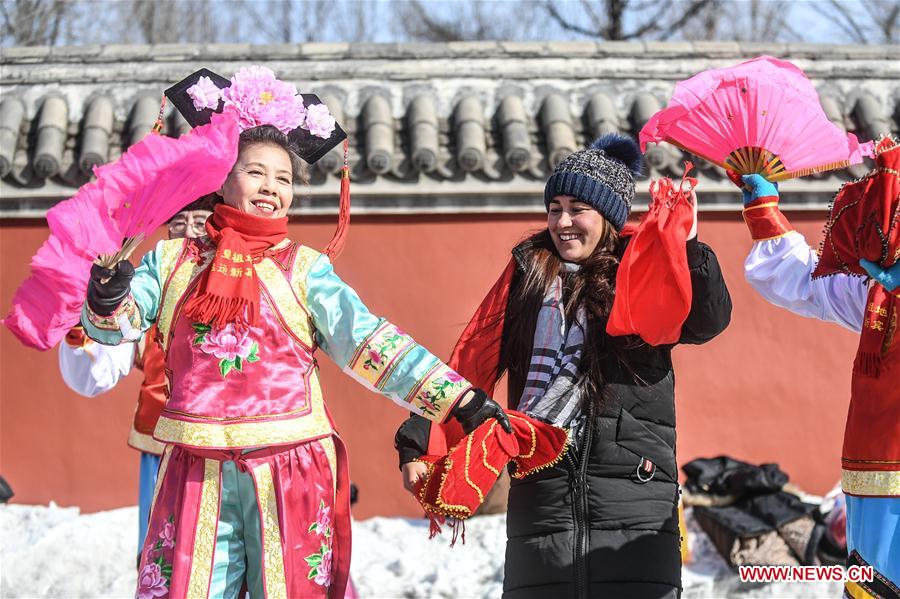
Traditional clothing is a significant element of the Man ethnic group's culture, with the qipao being one of the most recognizable garments associated with the Manchus. The qipao, characterized by its form-fitting design and intricate patterns, reflects the aesthetic sensibilities of the Manchu people. Historically, this attire was worn by both men and women, with variations in style and decoration that indicated social status and occasion. The qipao remains popular in modern times, often worn during festivals and celebrations as a symbol of cultural pride.
Festivals and Celebrations
The Man ethnic group celebrates a variety of traditional festivals and events that highlight their cultural heritage. These celebrations often include elements such as music, dance, and food, providing a vibrant expression of Manchu identity. One notable event linked to the Manchu heritage is the Apricot Flower Festival, held annually in locations such as the Jinshanling Great Wall. The festival features activities like qipao fashion shows and traditional performances, attracting visitors from around the world and showcasing the rich cultural tapestry of the Manchu people.
Cuisine
Manchu cuisine is an integral part of the ethnic group's cultural identity. Traditional Manchu dishes often include ingredients like game meat, seafood, and various grains, reflecting the natural resources available in their native regions. The cuisine emphasizes hearty, savory flavors, with dishes such as roast meats and dumplings being staples. Over time, Manchu culinary practices have influenced broader Chinese cuisine, contributing to the diversity and richness of Chinese gastronomic traditions.
Social Structure
The social structure of the Man ethnic group has evolved over time, shaped by historical and cultural factors. Traditionally, Manchu society was organized into clans, with a strong emphasis on familial ties and hierarchical relationships. During the Qing Dynasty, the Eight Banners system played a crucial role in the social and military organization of the Manchus, integrating different ethnic groups under a unified structure. This system facilitated the administration and defense of the empire, highlighting the Manchus' strategic acumen. In contemporary times, the social structure of the Man people reflects modern societal norms, with a continued appreciation for cultural heritage and community cohesion.
Economy
The economy of the Man ethnic group has historically been based on agriculture, hunting, and trade. In their native regions, the Manchus engaged in farming, cultivating crops such as millet, barley, and soybeans. Hunting and fishing were also important economic activities, providing food and resources for the community. During the Qing Dynasty, the Manchus played a significant role in the economic development of the empire, promoting trade and commerce. In modern times, the economy of the Man ethnic group is integrated into the broader Chinese economy, with many Manchus engaged in various sectors such as industry, services, and tourism.
Notable Figures
Throughout history, the Man ethnic group has produced numerous notable figures who have made significant contributions to Chinese society and beyond. Emperors of the Qing Dynasty, such as Kangxi and Qianlong, are celebrated for their leadership and cultural patronage. These rulers played pivotal roles in shaping China's history, fostering cultural exchange, and promoting economic prosperity. In addition to historical figures, contemporary Manchus have also excelled in various fields such as arts, science, and sports, further highlighting the talents and achievements of the Man ethnic group.
Influence on Chinese Culture
The influence of the Man ethnic group on Chinese culture is profound and enduring. During the Qing Dynasty, the Manchus introduced various cultural practices and styles that became integrated into the broader Chinese cultural landscape. The qipao, Manchu cuisine, and certain linguistic elements are examples of this influence. Moreover, the Manchus played a significant role in the preservation and promotion of traditional Chinese arts, literature, and philosophy. The cultural exchange and synthesis during the Qing Dynasty have left a lasting legacy on Chinese civilization, contributing to its rich and diverse cultural heritage.








